Germany's Defense Spending Hits 2.5% of GDP for First Time Since Reunification
Berlin's new defense budget marks a historic shift in European security and a long-overdue response to American pressure on NATO burden-sharing.
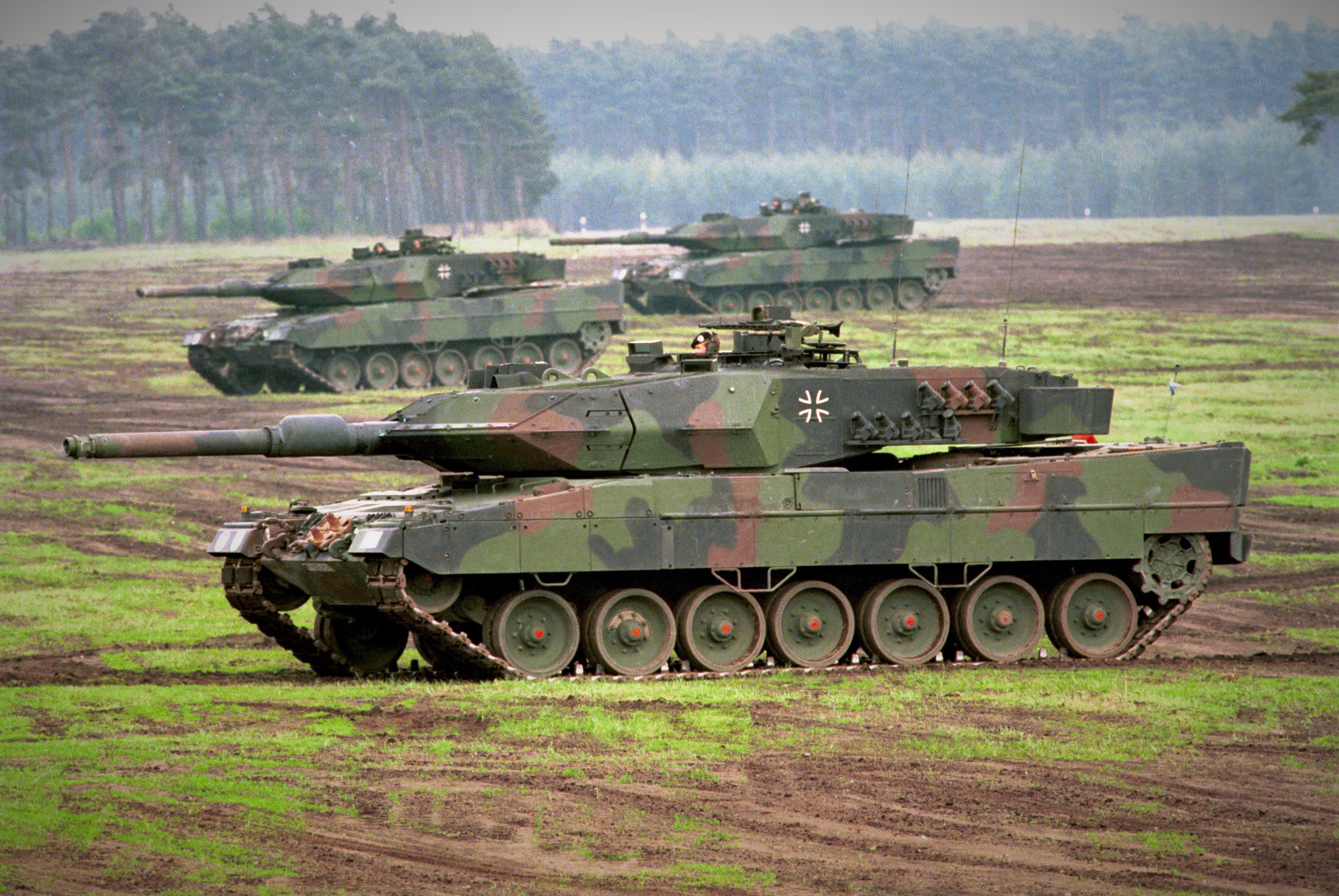
Germany's federal cabinet approved a defense budget that will push military spending to 2.5 percent of GDP for the fiscal year beginning in April, the first time the country has met, let alone exceeded, NATO's long-standing 2 percent target since reunification in 1990.
The move, announced by Defense Minister Boris Pistorius on Tuesday, represents the culmination of a tectonic shift in German strategic thinking that began with Russia's full-scale invasion of Ukraine in February 2022 and the subsequent declaration of a Zeitenwende (a turning point) by then-Chancellor Olaf Scholz.
What the Numbers Mean
The new budget allocates approximately €95 billion to the Bundeswehr, up from €72 billion in the current fiscal year. The increase will fund accelerated procurement of F-35 fighter jets, additional Leopard 2A8 main battle tanks, and a significant expansion of Germany's air and missile defense capabilities, including integration into the European Sky Shield Initiative.
Perhaps more significantly, the budget includes a 40 percent increase in personnel costs, reflecting Berlin's ambition to grow the active-duty Bundeswehr from its current strength of roughly 181,000 to 203,000 by 2029.
The American Factor
Washington has pressed European allies to increase defense spending for decades, across administrations of both parties. The Trump administration's blunt approach, publicly questioning the value of NATO guarantees for nations that failed to meet the 2 percent benchmark, was diplomatically jarring but arguably effective. Germany's spending trajectory has been upward since 2017, and the current government has abandoned the pretense that 2 percent was a ceiling rather than a floor.
The Biden and subsequent administrations shifted tone but not substance: the message remained that European security requires European investment. Germany's latest budget suggests the message has been received.
Implications for European Security
Germany's increased spending matters beyond the raw numbers. As the European Union's largest economy, German defense investment signals to smaller NATO members, several of whom still fall well below the 2 percent threshold, that burden-sharing is not optional.
It also strengthens the European pillar of NATO at a time when American strategic attention is increasingly drawn to the Indo-Pacific. A more capable Bundeswehr reduces the dependency on U.S. force posture in Europe, which aligns with longstanding American strategic preferences regardless of which party holds the White House.
The question now is whether Germany can translate budget commitments into actual military capability. The Bundeswehr's procurement bureaucracy is notoriously slow, and the country's defense industrial base, while technologically sophisticated, has been operating at peacetime capacity for decades. Spending money is easy. Spending it effectively is the challenge Berlin has yet to prove it can meet.
Related Stories

The Tariff Truce Expires in October. Bessent Is Going to Beijing.
Treasury Secretary Scott Bessent will travel to Beijing in early June for working-level meetings on the trade truce, in the first cabinet-level American visit since the Iran war began.
May 18, 2026 · 7 min read

Netanyahu Convenes Security Cabinet After Muscat Collapse
Prime Minister Benjamin Netanyahu convened an emergency session of Israel's Security Cabinet on Saturday morning hours after Muscat Round 3 ended without agreement, in a meeting Israeli officials described as a review of military options.
May 16, 2026 · 6 min read

Chinese Foreign Minister Arrives in Tehran on Unannounced Visit
Chinese Foreign Minister Wang Yi arrived in Tehran on Tuesday morning unannounced, the first cabinet-level Chinese visit to Iran since the U.S. naval blockade began on April 12.
May 12, 2026 · 6 min read